India's Catastrophic Second Wave
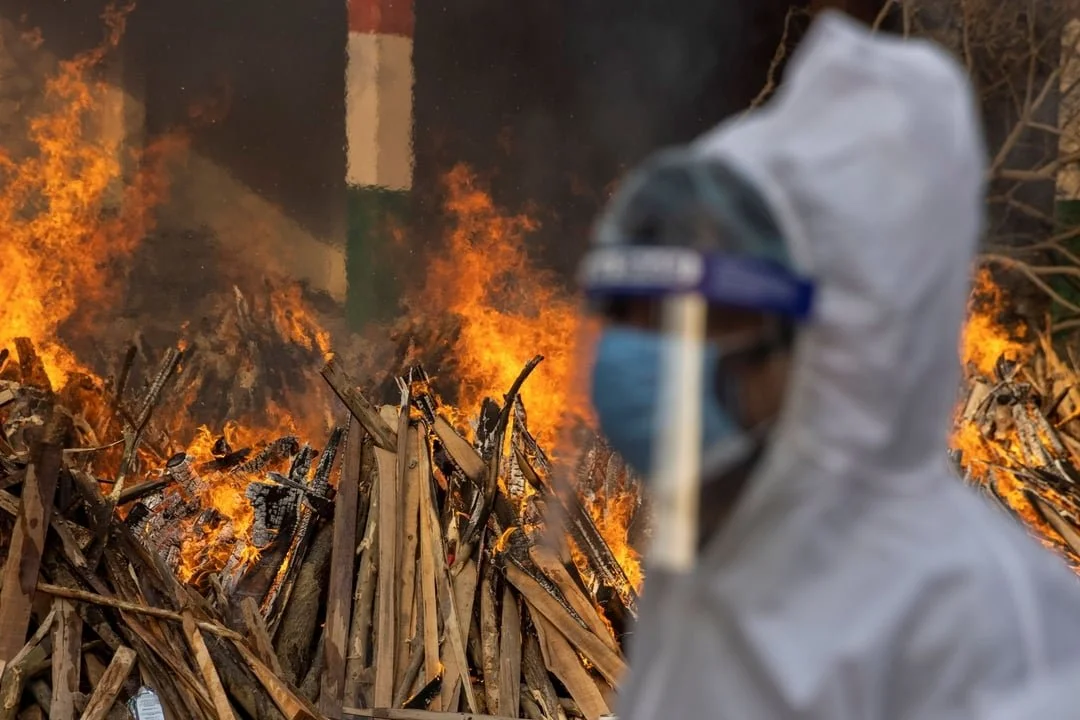
India’s second wave COVID disaster was perhaps the international highlight of this pandemic, all happening whilst the virus was at a steady decline globally. A tale of arrogance, bad decision making, questionable leadership and supply shortages (most notably medical oxygen and vaccines) were all behind this catastrophe which ultimately lead to bodies piling up at the banks of the holy River Ganges.
At its peak, India’s new variant infiltrated the system of over 400,000 new people a day. It has fallen since then to around 250,000. That is mainly down to cases spilling into rural areas from cities. Cases could still well be at over 300,000 a day, however many cases don’t get reported in these areas. These areas also sometimes have a lack of sufficient healthcare, which means the case to death ratio is significantly higher, and the virus could hit these people harder.
Cremation grounds in India are running out of space, and therefore are increasing the cost of cremation. Many people are unable to afford these prices, and therefore send their loved one’s bodies to flow in the River Ganges, India’s holiest river. Experts say that India’s death toll is well over its reported number of approximately 287,000 deaths, as hundreds of bodies have been found washed up or buried on the banks of the river over the past week.
PM Narendra Modi was a happy leader in March. Having just had a cricket stadium named after him, COVID vaccines exported to countries in need and plans for India to become an economic powerhouse, he most likely looked at the year ahead positively. The next big thing for him was the 2021 Vidan Sabha elections in India. These were crucial elections for Modi and the BJP party, to spread BJP power more over states in India. Modi has never been afraid to make big decisions, regardless of the outcome. He may receive backlash, yes, but his decisiveness has also gone in his favour many times in the past.
He made the decision to hold huge rallies in Bengal for BJP. Thousands of people flocked to cheer on Modi and don the ‘NaMo’ flags. This did influence other mass gatherings in India, may it be for religious reasons such as holy gatherings and pilgrimages such as the Kumbh Mela, which 7 million people attended over 2 months, or political reasons such as rallies.
Not only were Modi and many Indian people oblivious to a brutal second wave of the virus, they were also oblivious to mutation. A new variant of the virus brought about in India tore through the country, only caused by the virus moving from host to host and mutating, leading to alterations in the virus variant which could sometimes make it more deadly. Modi and the BJP did, in fact, end up losing the elections in West Bengal. Modi has always had a loyal fanbase, many Hindu nationalists and loyal Indians support and defend Modi and BJP, regardless of the consequences of some of his actions. It seems that BJP’s sacrificing of the health of the nation in favour of mass rallies and gatherings had finally crossed the line for the electorate, and they slumped to second place.
India had also held the IPL (Indian Premier League) cricket tournament right when cases were starting to increase, a huge mistake in that it caused people’s attention to be diverted from taking action against the new variant and helping the Indian healthcare system to cricket. It also prompted gatherings of fans outside stadiums and in cities to support their teams. It was rightfully cut short 2 weeks ago, but perhaps it should’ve never started.
Fast forward to now. Oxygen tanks are being transferred from industrial plants to hospitals. Beds are no longer in shortage and urban hospitals are starting to take more patients now. It seems that the urban problem is solved.
But what about the rural problem. Once the country takes disciplinary measures such as restrictions and control on these areas to reduce cases, I feel that action should be taken to prevent the damage of a third wave or a health crisis in rural areas. Money should be put towards better healthcare infrastructure and medicine in these places. Reporting should be more organised and more efficient. India should invest in the poorer parts, so as to not let them be hit the hardest by global health crises.
Vaccination shortages are also a big factor in the spreading of the new variant. India opened up the vaccination program to the younger population too early, before the priority population were all vaccinated. There are still hundreds of millions of 45 and over people who still haven’t been vaccinated. Vaccine shortages were down to mistakes made by India, such as giving millions of vaccines to the West Indies and making deals with the UK to give them vaccines.
India will not suffer a third wave, however. Seeing hundreds of thousands of lives lost, illness and medical crisis has an effect on people; they will not want to go through this again. The population will take active measures to ensure that the virus does not spread once more, and Modi will have learnt his lesson in the dire state of India before his eyes. The UK are also getting involved, being resourceful and helping India through the struggle. With more and more people taking action, we can look optimistically at the recovery of India.