Sapiens: A Graphic History Review
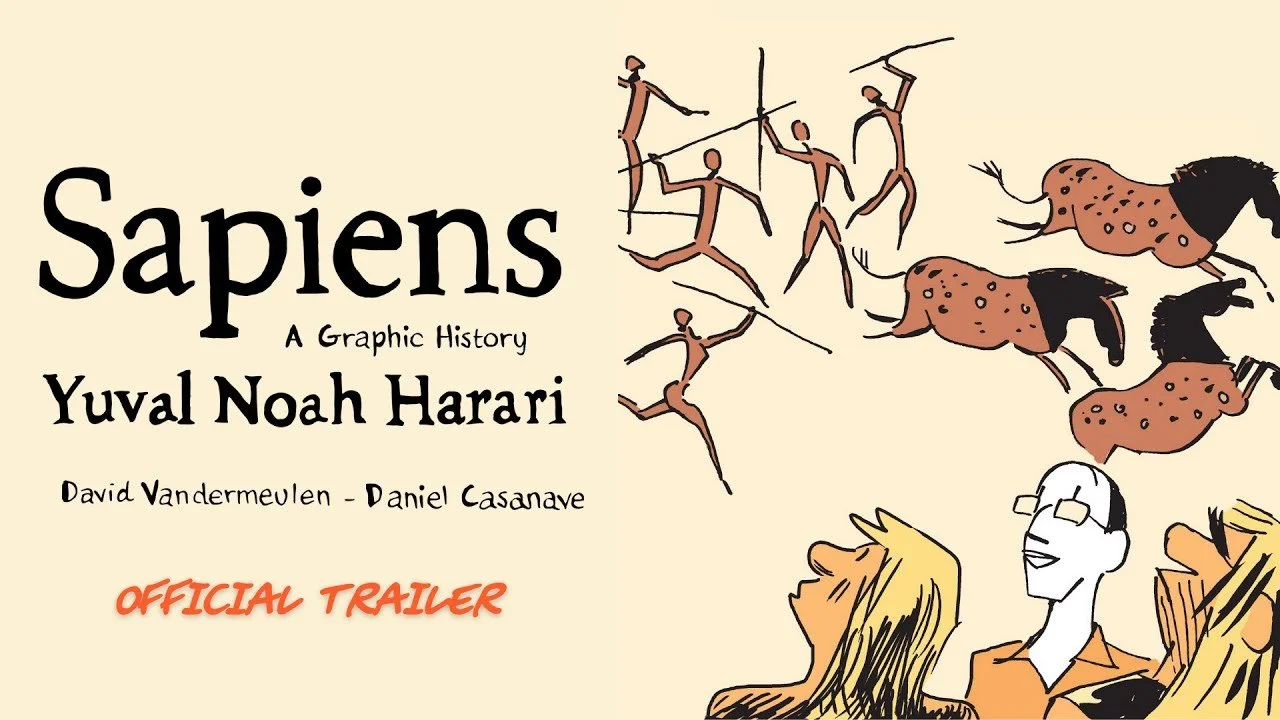
Yuval Noah Harari, the famous Israeli author and historian has come out with a brilliant sequel to his famous book, Sapiens: A Brief History of Humankind. Sapiens is a heavy, philosophical elucidation of how human species first came onto this Earth. It was first published in Hebrew in 2011, but it really started gaining acknowledgement when the English version was published in 2014. It narrates everything from the first ever human species originating in Africa to their gradual venture across different lands of the Earth, and finally our species the homo sapiens as we know them today. It also raises the question of whether or not humans were responsible for the extinction and endangerment of many former animal species and the environment.
Sapiens was very successful, selling over 16 million copies to date and gaining recognition from large figures such as Bill Gates and Mark Zuckerberg. It has received its fair share of criticism, however, from scholars with subject matter expertise, as a result of its bold scientific claims. Nevertheless, this didn’t stop the relentless recognition and cash flooding in for Harari, and it built up excitement and anticipation for upcoming Harari novels.
In 2016, Harari published Homo Deus, a novel which went into depth about humans’ potential attempt to gain happiness, immortality and god-like powers in the 21st century. This was also a big success, going into the TIME magazine’s top 10 non fiction books of 2017, and selling millions of copies.
He then followed this up in 2018 with 21 Lessons for the 21st Century. The name pretty much says it all, another dive into the deep philosophical ocean of ethics and humanity. However, this one, despite again receiving accolades from the great Bill Gates, had very mixed reception, and received a lot of criticism, with some disapproving his writing style and opinions, and some suppliers like Waterstones going as far as to rate the book a 5/5. However, Yuval’s next release needed to be a revival, a positively received, successful publication which silenced the critics and reminded the world of his immense skill and IQ. This is still a work in progress, however, to fill the gap for his audience Harari has made a very smart market move.
In November of 2020, he published the graphic sequel to his most famous book, Sapiens: A Brief History of Humankind, going by the name of Sapiens: A Graphic History- The Birth of Humankind.
Harari knew that despite the title of Sapiens stating that it was a ‘brief’ narrative of the history of humankind, it was actually far from it, and was very heavy vocabulary-wise for the younger audiences. His idea was to release a graphic version of this story, explaining how humankind came about by having different characters including himself and his niece, Zoey, go on adventures and discuss how humans first travelled the Earth’s lands and learnt new ways to survive. I must say I was never planning to read the prequel, as it just looked too dense and a bit boring for a 14 year old. However, once I picked up this book I found it hard to put it down, as reading fun stories and entertaining adventures all while learning about the history of our homo sapiens really resonated with me, and I can imagine it resonated with many other kids around the world too.
This was a genius business move by Harari too. His first three books only really appealed to one audience intellects who were interested in philosophy and had the brain power to sit and read a whole 443 pages of complicated vernacular and dense explanations. However, by publishing this graphic novel he managed to reach out to many more audiences, including kids and teens, comic lovers and in general just people who wanted to know about the history of humankind but didn’t want to read the first Sapiens.
It kicks off with Harari narrating how it all started off with the Big Bang, the first human species on Earth and explaining the different families such as Homo Neanderthals, Homo Luzonensis, Homo Floresiensis, Homo Erectus and of course, Homo Sapiens. These scientific descriptions are accompanied by interesting, entertaining images by the illustrator, Daniel Casanave. These add a bit of comedy and fun to the serious topics that Harari is talking about, making it all the more enjoyable for a young person to read. They also add a hilarious twist to evolution by bringing the prospect of game shows and TV ads to things like survival of human species or the humans’ use of fire to cook their meat. Harari and Zoey run around London, meeting character after character telling them about the different areas of evolution they have expertise in. I must say, despite all of their travels and adventures in the story, they were always explaining or debating a different topic in humankind on every page, it was quite remarkable. Afterwards, Harari attended a conference where he discussed more topics such as tribe hunters and archaeology. The book ends perfectly in my opinion. They came up with a concept of the police taking the homo sapiens to court and accusing them of destroying many species and lands all for their own power and growth. Were they guilty or not guilty? Read the book and find out!
In my opinion this book has created a very good image for Harari, while building even more anticipation for his next release. It also had a very good reception, receiving many solid ratings and reviews and reaching out to a much wider audience. He looks set to blow the world away with his next release, and I am definitely looking forward to it.